Shipping Documents from China: Invoice, Packing List, B/L
The documents a shipment from China needs: commercial invoice, packing list, bill of lading or air waybill, certificates of origin and import filings.
Key takeaways
- Almost every commercial shipment from China needs a commercial invoice, a packing list and a transport document: a bill of lading for sea freight or an air waybill for air.
- A certificate of origin, safety data sheets, a UN38.3 battery test summary or an export licence are added when the goods or the destination call for them.
- Importers prepare their own side: an EORI number for the EU or UK, and an ISF (10+2) filing for US ocean imports at least 24 hours before loading.
- An original bill of lading is a title document the consignee must present; a telex release or sea waybill lets the goods be released without paper originals.
Most shipments from China need three documents: a commercial invoice, a packing list and a transport document, which is a bill of lading for sea freight or an air waybill for air. Depending on the goods and the destination, you may also need a certificate of origin, safety data sheets and battery test summaries, the export declaration in China, and import filings such as an EORI number or a US ISF.
Missing or inconsistent paperwork is one of the most common reasons cargo waits at a port or airport. The checklist below shows who issues each document and when it is needed.
Which documents does a shipment from China need?
| Document | Issued by | What it shows | When it is needed |
|---|---|---|---|
| Commercial invoice | Seller (exporter) | Seller and buyer, goods description, HS code, quantity, unit price, total value, currency, Incoterm, origin | Every commercial shipment |
| Packing list | Seller | Cartons and contents, net and gross weight, carton sizes, shipping marks | Every shipment with more than one package |
| Bill of lading or sea waybill | Ocean carrier or NVOCC | Shipper, consignee, notify party, containers and seals, ports | Sea freight |
| Air waybill (master and house) | Airline and forwarder | Shipper, consignee, pieces, weight, airports | Air freight |
| Export declaration | Exporter or its customs broker in China | Goods, Chinese HS code, value, destination | Every commercial export |
| Certificate of origin | China Customs or CCPIT | Where the goods originate; preferential forms can lower duty | When the buyer claims a preferential rate or the destination requires it |
| SDS (MSDS) and UN38.3 test summary | Manufacturer | Hazards and composition; lithium battery test results | Batteries, liquids, powders and chemicals |
| EORI number | Importer's customs authority | The importer's customs ID | Imports into the EU and the UK |
| ISF (10+2) | US importer or its agent | Seller, buyer, manufacturer, HS codes, stuffing location and more | US ocean imports, at least 24 hours before loading |
| Insurance certificate | Insurer or forwarder | Cover and insured value | When cover is bought, and always under CIF and CIP |
The commercial invoice and the packing list
The commercial invoice is what customs uses to value the goods and calculate duty, so it must show the real transaction value, a precise description and the HS code. "Parts", "samples" or "accessories" on their own are the descriptions that get queried. A proforma invoice issued before payment does not replace it.
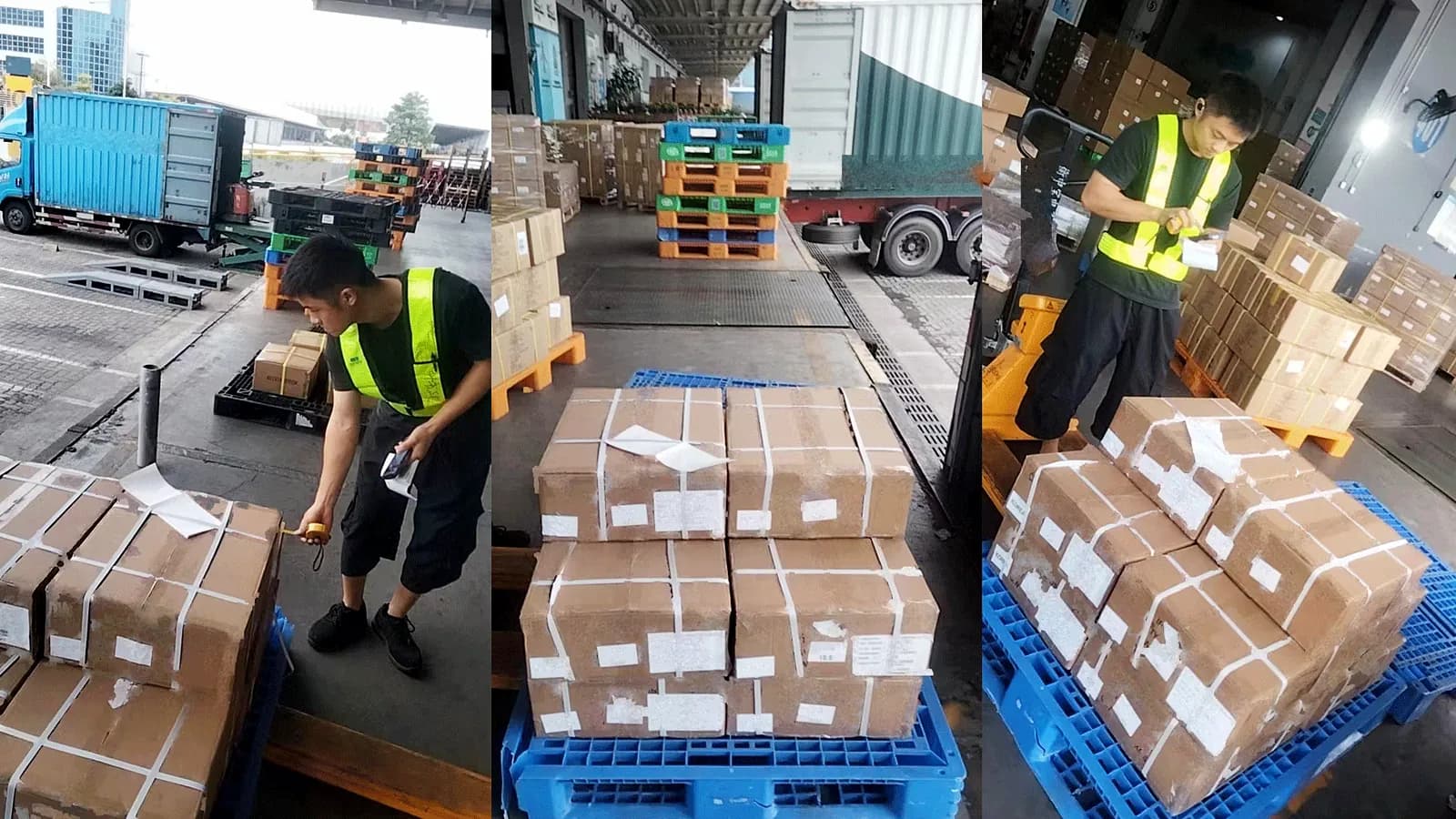
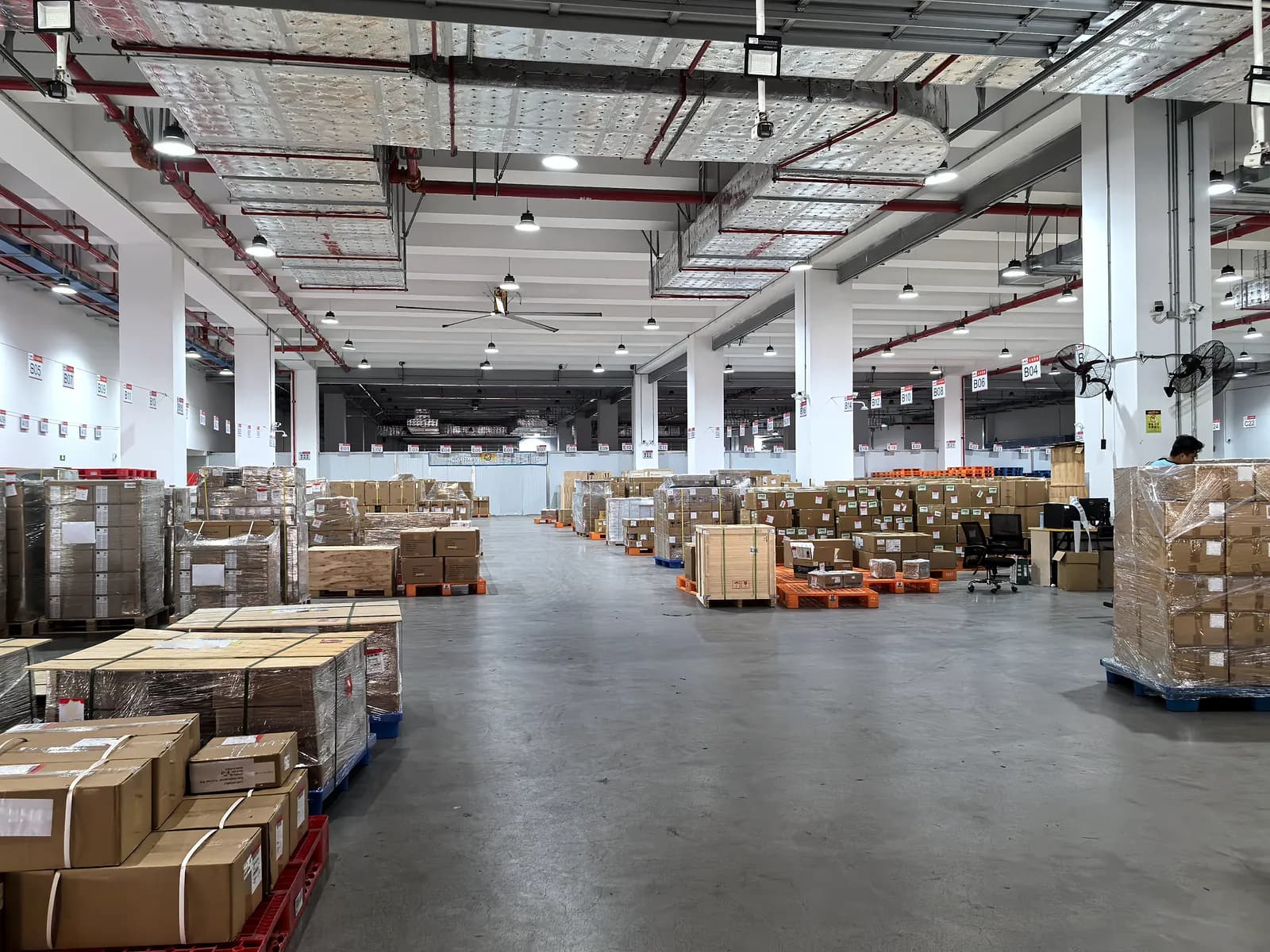
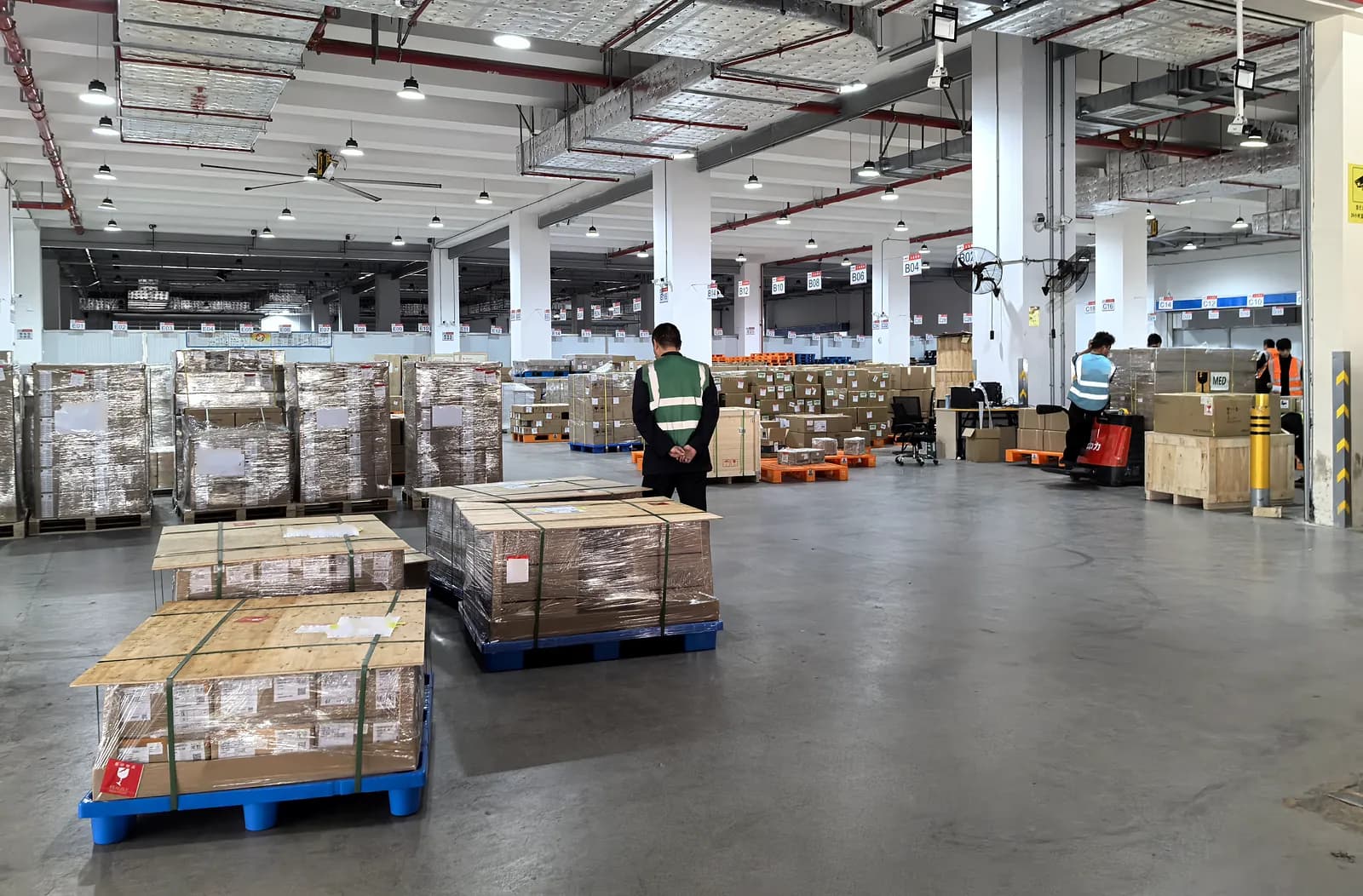
The packing list shows how the goods are packed: how many cartons, what is in each, weights and dimensions. It has to match the invoice line by line. When several suppliers' goods are consolidated in our Shenzhen warehouse, each delivery is received and checked as it arrives, which makes it easier to build one packing list that matches the cartons.
Bill of lading: original, telex release or sea waybill?
The bill of lading is the carrier's receipt for the goods and the contract of carriage. It comes in three common forms:
- Original bill of lading: a title document, usually issued as a set of originals. The consignee presents one at destination to collect the goods. Sellers use it to keep control until the balance is paid, for example under a letter of credit.
- Telex release: the shipper surrenders the originals at origin and the carrier tells its destination office to release the goods without them. It avoids couriering paper and is the usual choice once the buyer has paid.
- Sea waybill: not a title document; the goods are released to the named consignee without any presentation. It suits regular trade between parties who trust each other.
Ask your supplier which form they will issue before you pay the balance, and check the consignee and notify party details carefully; a correction after sailing costs time and fees. Ask, too, which company issues the bill of lading and in whose name; the type of bill for your shipment is agreed when you book.
Air waybills and tracking
An air waybill is never a title document: the goods are delivered to the consignee named on it. Consolidated air cargo has two: the airline issues the master air waybill to the forwarder, and the forwarder issues a house air waybill for each shipper's goods. The air waybill number is also the tracking number; you can follow it on our tracking page.
Documents that depend on the goods
Products with lithium batteries need a UN38.3 test summary and a safety data sheet, and air transport adds limits on how they are packed and charged. Liquids, powders, magnets and chemicals usually need an SDS, and carriers may ask for a transport conditions identification report before accepting them by air. Solid wood packaging such as pallets and crates must be treated and marked to the ISPM 15 standard. Our special goods FAQ explains how we check these before quoting.
What the importer prepares
- EU and UK: an EORI number before goods clear customs, plus a VAT registration if import VAT is to be reclaimed.
- United States: for ocean freight, the ISF importer files the Importer Security Filing (10+2) with CBP at least 24 hours before the cargo is loaded on the vessel in China; the supplier and forwarder supply the data.
- All destinations: licences or permits for regulated goods, and any product certificates the market requires.
How we help with the paperwork
Our customs team handles export declarations and inspection in China, pre-classifies HS codes and prepares certificates of origin (FA / CO). We prepare the export declaration from your commercial invoice and packing list, so send drafts with your quote request and tell us the destination; we'll confirm which documents the shipment needs before the goods leave.
FAQ
What is the difference between a proforma invoice and a commercial invoice?
A proforma invoice is a quotation or advance invoice issued before shipment, often to arrange payment. The commercial invoice is the final document for the goods actually shipped, and it is the one customs uses to value them.
Do I need the original bill of lading to collect my goods?
Only when original bills were issued and no telex release has been made. With a telex release or a sea waybill, the goods are released to the named consignee without paper originals.
Who files the US ISF, and when?
The ISF importer, usually the US buyer or its customs broker, files it with CBP at least 24 hours before the cargo is loaded on the vessel. The supplier and the forwarder provide data such as the manufacturer, the container stuffing location and the consolidator.
Can one packing list cover goods from several suppliers?
Yes. When goods are consolidated into one shipment, the packing list for that shipment shows every carton. Each supplier's goods still have to match the invoice lines; deliveries are received and checked as they arrive at our warehouse.
Sources
Services and routes in this article
Send us the details — you'll get a confirmed door-to-door quote and a dedicated coordinator.
Read next
All insights
US Customs Clearance for Goods from China: 2026 Guide
How US customs clearance works for goods from China in 2026: importer of record, bonds, entry types, ISF, Section 301 duties and the end of $800 de minimis.
Australia Import Duty and GST on Goods from China
What Australian duty and 10% GST add to goods from China, how a ChAFTA certificate of origin removes most duty, and what changes above A$1,000.
Chinese New Year 2027 Shipping: Deadlines and Planning
Chinese New Year falls on 6 February 2027. Factories close for one to four weeks and space tightens before the holiday. A month-by-month plan for shippers.