How to Ship to Amazon FBA from China: Step by Step
From the Seller Central shipment plan to box labels, carton limits, air or sea by marketplace, customs and appointments: how FBA first-leg shipping works.
On this page
Key takeaways
- Shipping to Amazon FBA from China follows six steps: create the shipment in Seller Central, label products and cartons, pack to Amazon's carton limits, choose a shipping method, clear customs and deliver on a booked appointment.
- In the US, FBA boxes may weigh up to 50 lb unless a single item is heavier, and since 20 June 2025 may be up to 36 inches long and 25 inches wide and high.
- Air reaches Los Angeles in 7–9 days from Shenzhen or Hong Kong and sea reaches Los Angeles / Long Beach in 14–16 days; Japan is 4–5 days by air and 7–9 by sea.
- Amazon receives the goods but does not clear them: the seller, or an agent the seller appoints, has to act as the importer and pay or arrange the duties.
Shipping to Amazon FBA from China takes six steps: create the shipment in Seller Central, label every product and carton, pack within Amazon's carton limits, choose air, sea or express for your marketplace, clear customs as the importer, and deliver to the fulfillment center on a booked appointment. Your forwarder handles the freight and paperwork; the shipment plan, labels and importer details come from you.
Step 1: create the shipment in Seller Central
Start in Seller Central with the Send to Amazon workflow. You enter the products, quantities and carton details; Amazon then tells you which fulfillment center (FC) or centers the inventory must go to. Amazon may split one shipment across several FCs, and each destination is priced and delivered separately.
Send your forwarder the shipment ID, the FC code for each destination, the number of cartons and their weights and dimensions. With the FC codes we can quote an exact price for Amazon FBA shipping; without them, only an estimate by region is possible.
Step 2: label products and cartons
Every unit needs a product label (FNSKU) unless it is enrolled in a program that lets Amazon use the manufacturer barcode. Ask your supplier to apply these during production — it is far cheaper than relabeling later.
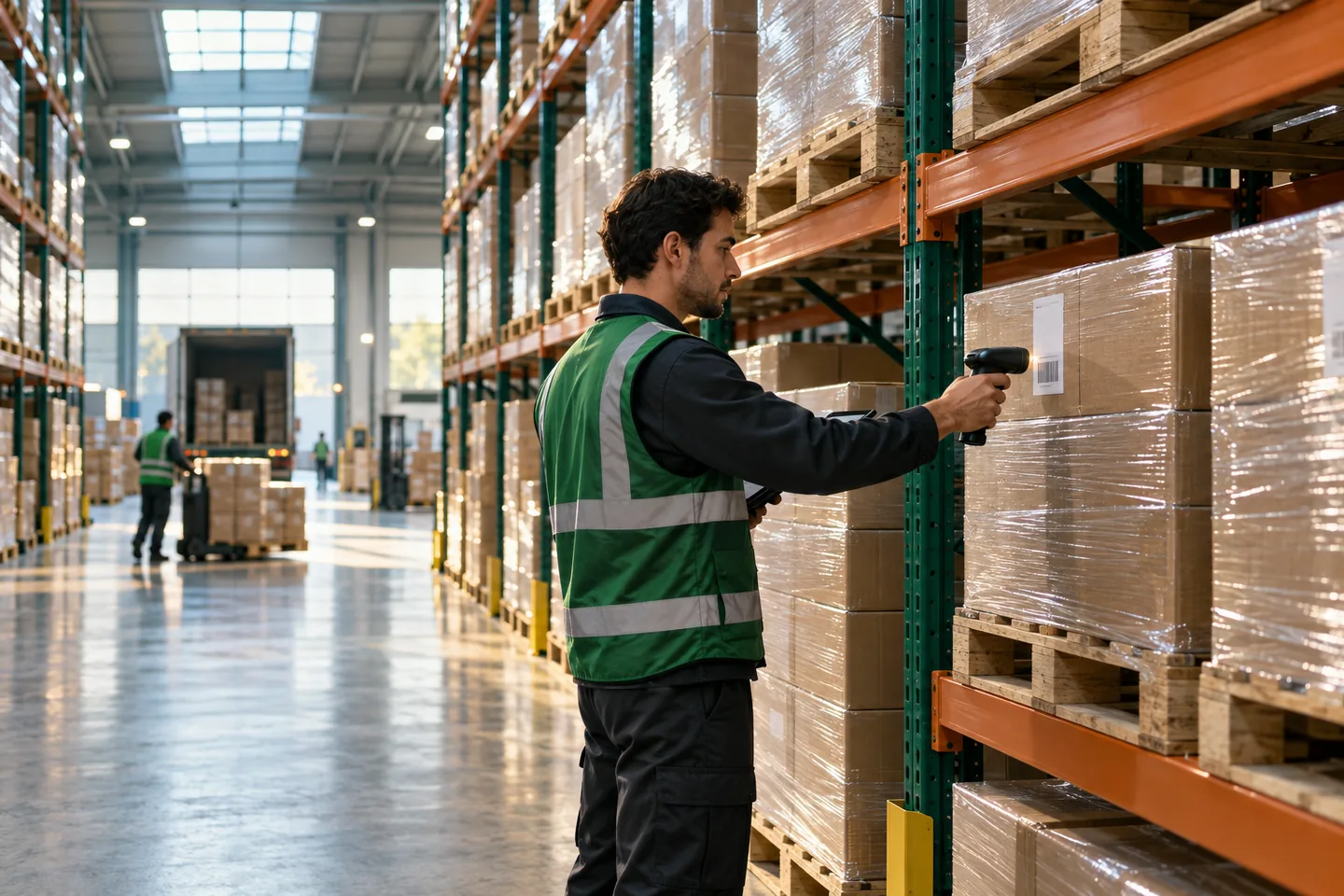
Every carton then needs the FBA box ID label printed from the shipment. Place it on a flat side, not across a seam, and make sure each carton has its own label even when several cartons hold the same SKU. We label cartons in our Shenzhen warehouse before dispatch if you send us the labels, and our warehousing team can also check, repack and consolidate goods from several suppliers into one FBA shipment.
Step 3: pack to Amazon's carton rules
In the US, Amazon's limits for small-parcel FBA boxes are 50 lb per box, unless a single item weighs more and is labeled as a heavy package, and since 20 June 2025 a maximum length of 36 inches, with width and height still at 25 inches. Other marketplaces and Amazon Warehousing and Distribution (AWD) set their own limits, so check Seller Central for the marketplace you ship to before your supplier packs.
Carton size also decides what you pay for freight. Air freight is charged on the greater of actual and volumetric weight, so large light cartons cost more than their weight suggests. Our CBM and chargeable weight calculator shows the difference before you book.
Step 4: choose air, sea or express for your marketplace
The right method depends on the marketplace, how fast you need stock and how much you are sending. These are the services we offer to each Amazon marketplace:
| Marketplace | How we ship | Transit time |
|---|---|---|
| USA | Air from Shenzhen or Hong Kong to LAX; sea from Yantian or Shekou to Los Angeles / Long Beach; UPS or FedEx to the FC | Air 7–9 days to LAX, sea 14–16 days to port, plus delivery |
| Canada | Air to FBA warehouses near Toronto, Vancouver, Calgary, Edmonton and Ottawa; UPS express | Confirmed with your quote |
| Japan | Air or sea to Tokyo and Osaka, then our own trailers from our Tokyo, Osaka and Tosu warehouses | Air 4–5 days, sea 7–9 days |
| Europe and UK | Air with DPD or UPS delivery, LCL sea, and the duties-paid China–Europe rail line | Air consolidations 4–7 days; rail 16–19 days plus UPS; sea 22–25 days to port |
| Australia | Air or sea to Amazon warehouses in Sydney, Melbourne, Brisbane and Perth | Air 6–10 days and sea 20–25 days main leg, plus customs and delivery |
As a rule of thumb, air suits launches and urgent restocks, sea suits planned restocks with lead time, and express suits samples and small cartons. For Europe, the China–Europe rail line sits in between at about a third of the air price, with duties and taxes paid. Our shipping routes page lists the methods and times for every destination.
Step 5: customs and the importer of record
Amazon receives your inventory, but it does not clear it through customs. The importer of record is normally the seller or an agent the seller appoints, and that party is responsible for the declaration and the duties and taxes. For the EU and the UK you will usually need an EORI number and a VAT registration; on our duties-paid rail line to Europe, duties and taxes are included in the price. Confirm the importer arrangement with your forwarder before the goods leave China — a shipment without one stops at the border.
Our customs team can pre-classify your products with HS codes so you know the duty rate before you ship.
Step 6: delivery appointment and receiving
Amazon fulfillment centers receive freight by appointment. Once the goods clear customs, the delivering carrier books a slot and delivers; in Japan our own trailers deliver from our warehouses on the booked appointment date. After delivery, Amazon checks the cartons in and the units appear in your inventory in Seller Central. Keep the tracking numbers until receiving is complete; our tracking page covers the major carriers.
Common mistakes that delay FBA shipments
- Box labels missing, duplicated or placed across a seam
- More cartons, or different weights, than the shipment plan says
- Boxes over the weight or size limit for the marketplace
- Products without FNSKU labels when the listing needs them
- No importer of record, or no EORI or VAT number for Europe
- Battery or liquid products shipped without being declared
FAQ
Can my suppliers send goods straight to you for FBA?
Yes. Suppliers deliver to our Shenzhen warehouse, or we arrange pickup. We receive and check the goods, apply your FBA box labels and ship them to the fulfillment centers in your shipment plan.
Air or sea for a US FBA restock?
Air reaches LAX in 7–9 days from Shenzhen or Hong Kong, plus delivery, and suits launches and urgent restocks. Sea takes 14–16 days to Los Angeles / Long Beach, plus customs and delivery, and costs less for planned restocks. The comparison table on our homepage prices both for your shipment.
What if Amazon splits my shipment across several warehouses?
Each fulfillment center is a separate delivery, so send us every FC code with its carton count. We price and deliver each destination separately. Seller Central may offer placement options with fewer destinations, sometimes for a fee.
Does Amazon act as the importer of record?
No. Amazon receives the goods but does not clear them. The seller, or an agent the seller appoints, must act as the importer and handle duties and taxes; confirm this with your forwarder before shipping.
Sources
Services and routes in this article
Send us the details — you'll get a confirmed door-to-door quote and a dedicated coordinator.
Read next
All insights
Air, Sea, Rail or Express from China: How to Choose
Compare air freight, sea freight, China–Europe rail and express from China by speed, how each one is charged and what it suits best.
How to Track a Shipment from China: Numbers and Statuses
Which tracking number you get for express, air, sea and rail shipments from China, why tracking goes quiet, and what each milestone means.
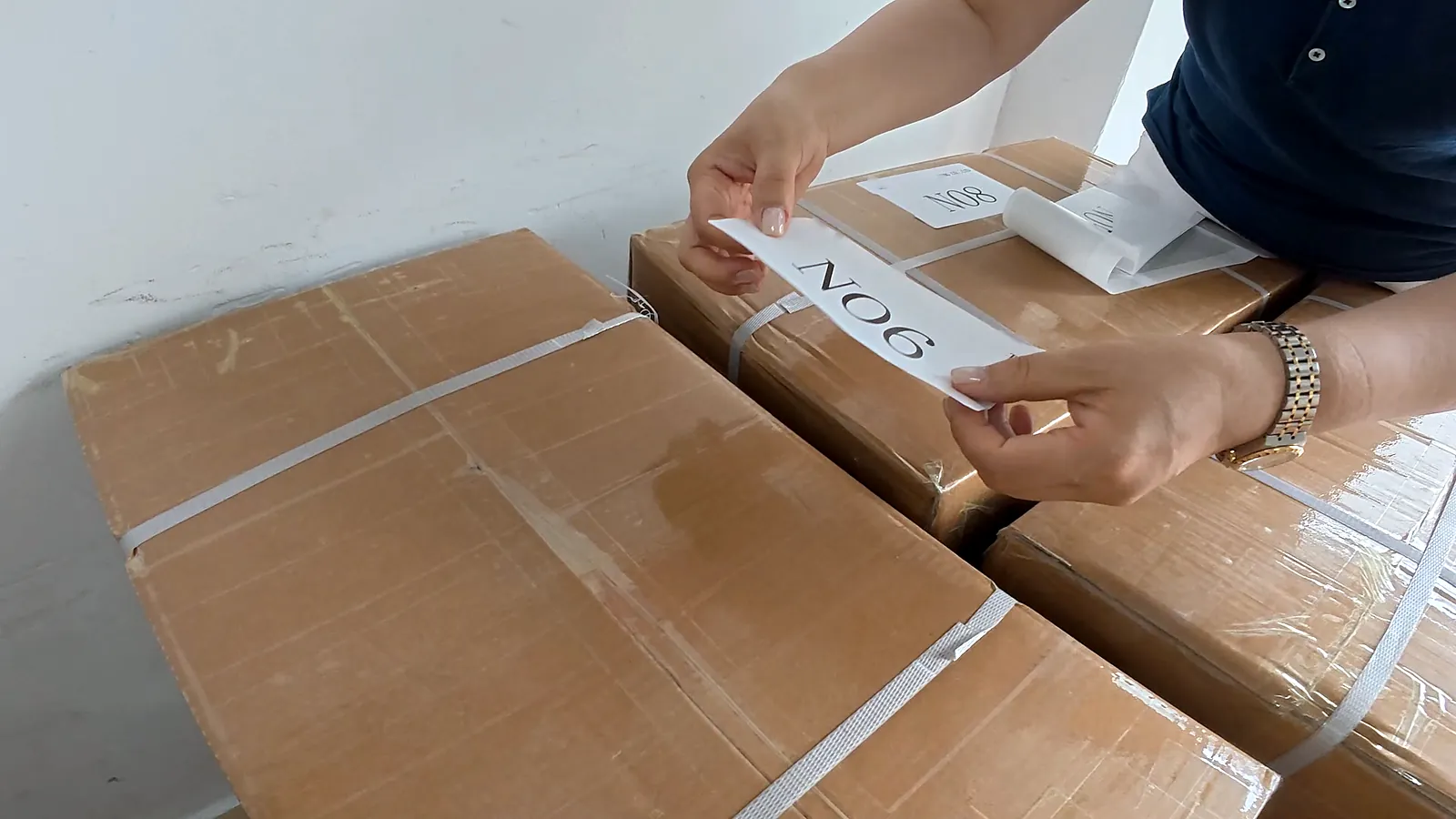
Export Packing from China: Cartons, Labels and Pallets
How to pack goods from China for air, sea, rail and express: strong cartons, shipping marks, pallets, ISPM 15 wood rules and packing that cuts freight costs.